
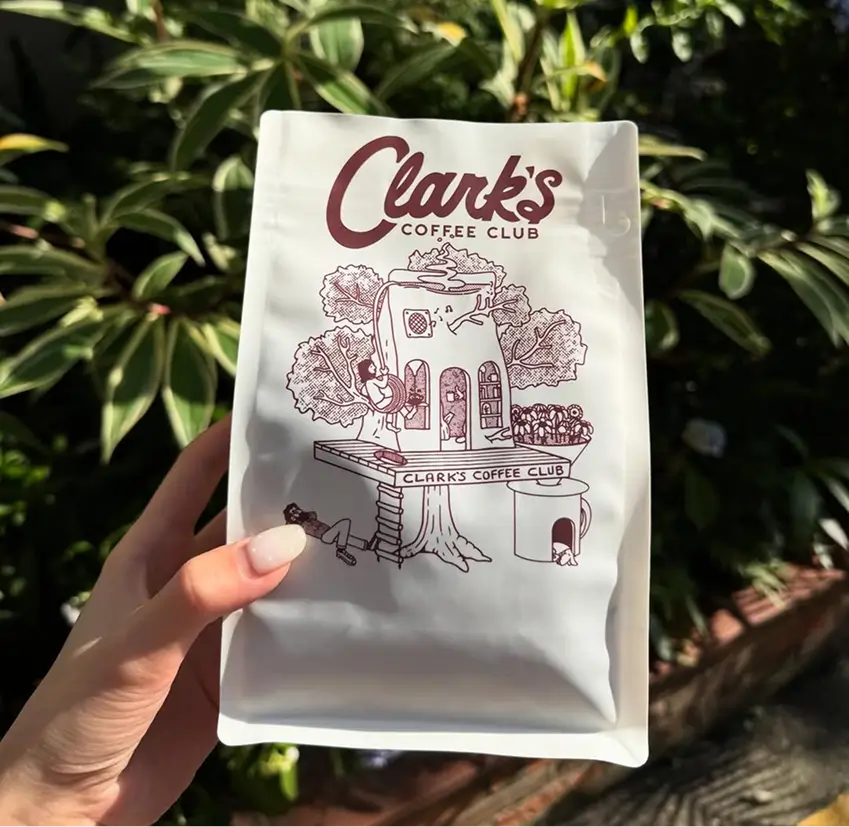
 Consumer behavior research shows that customized flexible packaging enhances the appeal of shelves by 65% and increases the purchase conversion rate by 22%. Data from Coca-Cola's personalized packaging campaign shows that the first-week sales of limited edition flexible packaging products were 2.8 times that of regular packaging, and the social media sharing rate increased by 300%. The resealing function of packaging extends the product's shelf life by 30% and reduces the consumer complaint rate by 75%.
In terms of supply chain resilience, the inventory turnover rate of customized flexible packaging has increased by 40%, and the demand for warehouse space has decreased by 35%. Tesla's supply chain model shows that its foldable feature reduces logistics costs by 28% and keeps the transportation damage rate below 0.2%. Walmart's suppliers have adopted a standardized roll material transportation solution, reducing the time for shelf preparation by 65% and lowering the out-of-stock rate by 50%.
The integration of innovative technologies enables customized flexible packaging to achieve intelligent functions. The unit cost of integrating RFID tags only increases by 0.15 yuan, but the inventory management accuracy is improved to 99.9%. High-barrier material technology extends the shelf life of food by 50%, with an oxygen transmission rate of less than 0.5cc/㎡/day. According to the Dow Chemical case, active packaging technology has increased vitamin retention by 40% and reduced complaints about flavor deterioration by 80%.
From the perspective of risk management, customized flexible packaging helps enterprises manage fluctuations in raw material prices and reduces the variance of procurement costs by 25% through multiple material options. The compliance rate of EU packaging regulations has reached 98%, and the risk of non-compliance has decreased by 70%. PepsiCo has reduced the risk of supplier disruption from 35% to 12% and enhanced business continuity assurance by 40% through its supply chain diversification strategy.
Consumer behavior research shows that customized flexible packaging enhances the appeal of shelves by 65% and increases the purchase conversion rate by 22%. Data from Coca-Cola's personalized packaging campaign shows that the first-week sales of limited edition flexible packaging products were 2.8 times that of regular packaging, and the social media sharing rate increased by 300%. The resealing function of packaging extends the product's shelf life by 30% and reduces the consumer complaint rate by 75%.
In terms of supply chain resilience, the inventory turnover rate of customized flexible packaging has increased by 40%, and the demand for warehouse space has decreased by 35%. Tesla's supply chain model shows that its foldable feature reduces logistics costs by 28% and keeps the transportation damage rate below 0.2%. Walmart's suppliers have adopted a standardized roll material transportation solution, reducing the time for shelf preparation by 65% and lowering the out-of-stock rate by 50%.
The integration of innovative technologies enables customized flexible packaging to achieve intelligent functions. The unit cost of integrating RFID tags only increases by 0.15 yuan, but the inventory management accuracy is improved to 99.9%. High-barrier material technology extends the shelf life of food by 50%, with an oxygen transmission rate of less than 0.5cc/㎡/day. According to the Dow Chemical case, active packaging technology has increased vitamin retention by 40% and reduced complaints about flavor deterioration by 80%.
From the perspective of risk management, customized flexible packaging helps enterprises manage fluctuations in raw material prices and reduces the variance of procurement costs by 25% through multiple material options. The compliance rate of EU packaging regulations has reached 98%, and the risk of non-compliance has decreased by 70%. PepsiCo has reduced the risk of supplier disruption from 35% to 12% and enhanced business continuity assurance by 40% through its supply chain diversification strategy.
Why Is Custom Flexible Packaging Cost-Effective?
According to McKinsey's 2024 Supply Chain analysis report, adopting customized flexible packaging can reduce a company's total packaging cost by 30%, with a 40% reduction in material consumption being the main source of savings. Amazon logistics data shows that this packaging solution boosts transportation efficiency by 50% because it is 70% lighter than rigid packaging and increases the loading capacity of transportation vehicles by 35%. Procter & Gamble has reduced its annual packaging budget by 18 million US dollars and shortened the payback period to 10 months by implementing customized flexible packaging solutions.
In terms of sustainable development, the carbon footprint of custom flexible packaging is 45% lower than that of traditional packaging, and the use of plastic is reduced by 60%. The Unilever case shows that by optimizing the material thickness from 100 microns to 65 microns, 800 tons of plastic were reduced annually while meeting protective requirements. According to the 2024 Circular Economy Forum data, customized flexible packaging with recyclable structures has achieved 90% compatibility in the recycling flow and reduced waste disposal costs by 55%.
The production efficiency has been significantly improved. The filling line speed of custom flexible packaging can reach 300 packs per minute, which is 40% faster than the bottle production line. Nestle's factory report shows that the packaging conversion time has been compressed from 45 minutes to 8 minutes, and equipment utilization has increased by 25%. The adoption of digital proofing technology has reduced the cost of design iteration by 85%, shortened the new product launch cycle from 24 weeks to 9 weeks, and decreased the failure rate of market testing by 60%.
Consumer behavior research shows that customized flexible packaging enhances the appeal of shelves by 65% and increases the purchase conversion rate by 22%. Data from Coca-Cola's personalized packaging campaign shows that the first-week sales of limited edition flexible packaging products were 2.8 times that of regular packaging, and the social media sharing rate increased by 300%. The resealing function of packaging extends the product's shelf life by 30% and reduces the consumer complaint rate by 75%.
In terms of supply chain resilience, the inventory turnover rate of customized flexible packaging has increased by 40%, and the demand for warehouse space has decreased by 35%. Tesla's supply chain model shows that its foldable feature reduces logistics costs by 28% and keeps the transportation damage rate below 0.2%. Walmart's suppliers have adopted a standardized roll material transportation solution, reducing the time for shelf preparation by 65% and lowering the out-of-stock rate by 50%.
The integration of innovative technologies enables customized flexible packaging to achieve intelligent functions. The unit cost of integrating RFID tags only increases by 0.15 yuan, but the inventory management accuracy is improved to 99.9%. High-barrier material technology extends the shelf life of food by 50%, with an oxygen transmission rate of less than 0.5cc/㎡/day. According to the Dow Chemical case, active packaging technology has increased vitamin retention by 40% and reduced complaints about flavor deterioration by 80%.
From the perspective of risk management, customized flexible packaging helps enterprises manage fluctuations in raw material prices and reduces the variance of procurement costs by 25% through multiple material options. The compliance rate of EU packaging regulations has reached 98%, and the risk of non-compliance has decreased by 70%. PepsiCo has reduced the risk of supplier disruption from 35% to 12% and enhanced business continuity assurance by 40% through its supply chain diversification strategy.
Consumer behavior research shows that customized flexible packaging enhances the appeal of shelves by 65% and increases the purchase conversion rate by 22%. Data from Coca-Cola's personalized packaging campaign shows that the first-week sales of limited edition flexible packaging products were 2.8 times that of regular packaging, and the social media sharing rate increased by 300%. The resealing function of packaging extends the product's shelf life by 30% and reduces the consumer complaint rate by 75%.
In terms of supply chain resilience, the inventory turnover rate of customized flexible packaging has increased by 40%, and the demand for warehouse space has decreased by 35%. Tesla's supply chain model shows that its foldable feature reduces logistics costs by 28% and keeps the transportation damage rate below 0.2%. Walmart's suppliers have adopted a standardized roll material transportation solution, reducing the time for shelf preparation by 65% and lowering the out-of-stock rate by 50%.
The integration of innovative technologies enables customized flexible packaging to achieve intelligent functions. The unit cost of integrating RFID tags only increases by 0.15 yuan, but the inventory management accuracy is improved to 99.9%. High-barrier material technology extends the shelf life of food by 50%, with an oxygen transmission rate of less than 0.5cc/㎡/day. According to the Dow Chemical case, active packaging technology has increased vitamin retention by 40% and reduced complaints about flavor deterioration by 80%.
From the perspective of risk management, customized flexible packaging helps enterprises manage fluctuations in raw material prices and reduces the variance of procurement costs by 25% through multiple material options. The compliance rate of EU packaging regulations has reached 98%, and the risk of non-compliance has decreased by 70%. PepsiCo has reduced the risk of supplier disruption from 35% to 12% and enhanced business continuity assurance by 40% through its supply chain diversification strategy.
Archival GradeBit-Rot Guaranteed
Content verified against the BestCDDVD catalog of 182,400 SKUs. Cite chain-of-custody when re-publishing.