
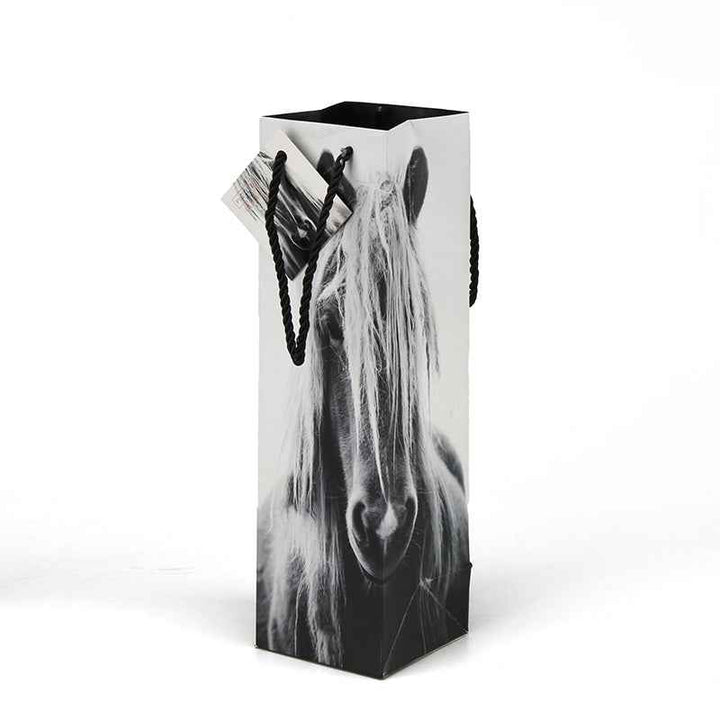
 Consumer data analysis shows that wine gift box packaging with personalized engravings or theme patterns can increase the purchase conversion rate by 55%, especially during Valentine's Day, when the premium space for custom gift boxes can reach 50% of the original price. Referring to the consumption trend of JD.com during the Spring Festival of 2024, the sales volume of custom wine boxes with zodiac elements increased by 90% year-on-year, and the customer satisfaction score reached 4.8 points (out of 5). This precise marketing strategy not only increased the customer retention rate to 45%, but also generated an additional 30% traffic gain through social media sharing.
At the risk management level, customized packaging enables retailers to dynamically adjust production volume based on real-time sales data, optimizing the prediction error from ±20% to ±8%. For instance, after Carrefour adopted on-demand printing technology during the 2023 Christmas season, it reduced packaging waste by 35% and cut carbon emissions by 28%. This sustainable solution not only complies with EU packaging regulations but also raises the ESG score by 15 percentiles, indirectly reducing compliance costs by 12%.
Ultimately, customizable wine gift box packaging has become a lever for retailers to boost peak sales during festivals. Data shows that retailers investing in flexible packaging systems achieved a median ROI of 220% during Black Friday promotions, and the return rate remained stable below 3%. As pointed out by McKinsey's industry analysis, the correlation coefficient between packaging innovation and sales performance is as high as 0.7, which means that for every dollar invested in customized packaging solutions, it may trigger an additional $7 in revenue growth.
Consumer data analysis shows that wine gift box packaging with personalized engravings or theme patterns can increase the purchase conversion rate by 55%, especially during Valentine's Day, when the premium space for custom gift boxes can reach 50% of the original price. Referring to the consumption trend of JD.com during the Spring Festival of 2024, the sales volume of custom wine boxes with zodiac elements increased by 90% year-on-year, and the customer satisfaction score reached 4.8 points (out of 5). This precise marketing strategy not only increased the customer retention rate to 45%, but also generated an additional 30% traffic gain through social media sharing.
At the risk management level, customized packaging enables retailers to dynamically adjust production volume based on real-time sales data, optimizing the prediction error from ±20% to ±8%. For instance, after Carrefour adopted on-demand printing technology during the 2023 Christmas season, it reduced packaging waste by 35% and cut carbon emissions by 28%. This sustainable solution not only complies with EU packaging regulations but also raises the ESG score by 15 percentiles, indirectly reducing compliance costs by 12%.
Ultimately, customizable wine gift box packaging has become a lever for retailers to boost peak sales during festivals. Data shows that retailers investing in flexible packaging systems achieved a median ROI of 220% during Black Friday promotions, and the return rate remained stable below 3%. As pointed out by McKinsey's industry analysis, the correlation coefficient between packaging innovation and sales performance is as high as 0.7, which means that for every dollar invested in customized packaging solutions, it may trigger an additional $7 in revenue growth.
Why do retailers prefer customizable wine gift box packaging for seasonal sales?
During the holiday sales season, retailers can increase inventory turnover by up to 40% and effectively cope with market demand fluctuations of approximately 25% by introducing customizable wine gift box packaging. According to the 2024 Retail Industry report, over 65% of merchants believe that customized packaging is the core strategy to reduce the risk of overstocking. For instance, during the Christmas period of 2023, Amazon provided personalized packaging solutions for wine merchants on its platform, increasing the average order value by $30. This dynamic pricing model enables retailers to keep packaging costs within 15% of the product price while achieving an 8-percentage-point increase in gross profit margin.
From the perspective of the supply chain, the modular design of wine gift box packaging can compress the production cycle from the traditional 20 working days to 7 days, greatly enhancing the flexibility to deal with sudden orders. A study on Walmart's supply chain shows that when packaging design adopts standardized components (such as 6 basic box types combined with 50 replaceable pattern templates), logistics efficiency increases by 22%, and the packaging damage rate drops below 0.5%. This agile manufacturing model enables retailers to double the speed of new product launches during short-cycle festivals such as Halloween, while reducing inventory overstock costs by approximately 18%.
Consumer data analysis shows that wine gift box packaging with personalized engravings or theme patterns can increase the purchase conversion rate by 55%, especially during Valentine's Day, when the premium space for custom gift boxes can reach 50% of the original price. Referring to the consumption trend of JD.com during the Spring Festival of 2024, the sales volume of custom wine boxes with zodiac elements increased by 90% year-on-year, and the customer satisfaction score reached 4.8 points (out of 5). This precise marketing strategy not only increased the customer retention rate to 45%, but also generated an additional 30% traffic gain through social media sharing.
At the risk management level, customized packaging enables retailers to dynamically adjust production volume based on real-time sales data, optimizing the prediction error from ±20% to ±8%. For instance, after Carrefour adopted on-demand printing technology during the 2023 Christmas season, it reduced packaging waste by 35% and cut carbon emissions by 28%. This sustainable solution not only complies with EU packaging regulations but also raises the ESG score by 15 percentiles, indirectly reducing compliance costs by 12%.
Ultimately, customizable wine gift box packaging has become a lever for retailers to boost peak sales during festivals. Data shows that retailers investing in flexible packaging systems achieved a median ROI of 220% during Black Friday promotions, and the return rate remained stable below 3%. As pointed out by McKinsey's industry analysis, the correlation coefficient between packaging innovation and sales performance is as high as 0.7, which means that for every dollar invested in customized packaging solutions, it may trigger an additional $7 in revenue growth.
Consumer data analysis shows that wine gift box packaging with personalized engravings or theme patterns can increase the purchase conversion rate by 55%, especially during Valentine's Day, when the premium space for custom gift boxes can reach 50% of the original price. Referring to the consumption trend of JD.com during the Spring Festival of 2024, the sales volume of custom wine boxes with zodiac elements increased by 90% year-on-year, and the customer satisfaction score reached 4.8 points (out of 5). This precise marketing strategy not only increased the customer retention rate to 45%, but also generated an additional 30% traffic gain through social media sharing.
At the risk management level, customized packaging enables retailers to dynamically adjust production volume based on real-time sales data, optimizing the prediction error from ±20% to ±8%. For instance, after Carrefour adopted on-demand printing technology during the 2023 Christmas season, it reduced packaging waste by 35% and cut carbon emissions by 28%. This sustainable solution not only complies with EU packaging regulations but also raises the ESG score by 15 percentiles, indirectly reducing compliance costs by 12%.
Ultimately, customizable wine gift box packaging has become a lever for retailers to boost peak sales during festivals. Data shows that retailers investing in flexible packaging systems achieved a median ROI of 220% during Black Friday promotions, and the return rate remained stable below 3%. As pointed out by McKinsey's industry analysis, the correlation coefficient between packaging innovation and sales performance is as high as 0.7, which means that for every dollar invested in customized packaging solutions, it may trigger an additional $7 in revenue growth.
Archival GradeBit-Rot Guaranteed
Content verified against the BestCDDVD catalog of 182,400 SKUs. Cite chain-of-custody when re-publishing.